Tackling E-Waste from Household Appliances
In our modern homes, household appliances like refrigerators, washing machines, and microwaves have become indispensable. However, the rapid pace of technological advancement leads to frequent replacements, resulting in a significant accumulation of electronic waste (e-waste). Proper management of this e-waste is crucial to mitigate environmental harm and promote sustainability.
Understanding E-Waste from Household Appliances
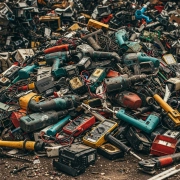
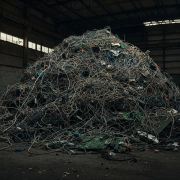
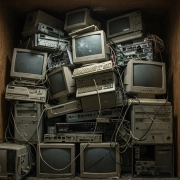
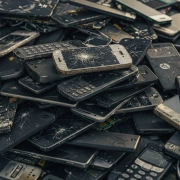
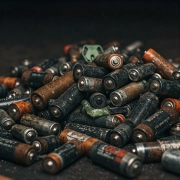
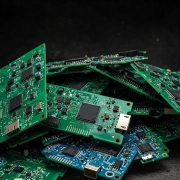
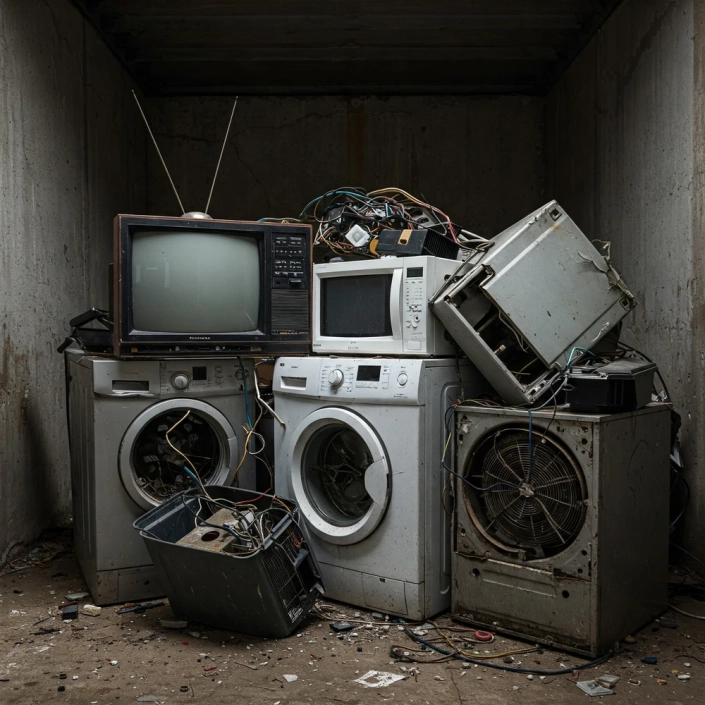
E-waste encompasses discarded electrical and electronic devices, including both large and small household appliances. These items often contain valuable materials such as metals and plastics, alongside hazardous substances like lead and mercury. Improper disposal can lead to environmental contamination and health risks.
Environmental and Health Impacts
When e-waste is improperly discarded, toxic substances can leach into the soil and water, posing serious health hazards. Additionally, the extraction of raw materials for new appliances contributes to environmental degradation. Recycling e-waste helps recover valuable materials, reducing the need for new resource extraction and minimizing environmental harm.
Challenges in Recycling Household Appliances
Recycling household appliances presents several challenges:
• Complexity of Components: Appliances consist of various materials, making disassembly and recycling labor-intensive.
• Lack of Awareness: Many consumers are unaware of proper e-waste disposal methods, leading to improper discarding.
• Limited Recycling Facilities: Not all regions have accessible e-waste recycling centers, hindering proper disposal.
• Cost Factors: Recycling processes can be expensive, deterring both consumers and businesses from participating.
How Consumers Can Contribute
Individuals play a vital role in managing e-waste:
• Educate Yourself: Learn about proper e-waste disposal methods and local recycling programs.
• Choose Repair Over Replacement: Opt to repair appliances when possible, supporting a culture of sustainability.
• Participate in Recycling Programs: Utilize retailer take-back schemes or local e-waste recycling centers to dispose of old appliances responsibly.
• Support Sustainable Products: Purchase appliances designed for longevity and repairability, encouraging manufacturers to prioritize sustainable practices.
E-waste from household appliances presents significant environmental and health challenges. By embracing repair, supporting recycling initiatives, and advocating for sustainable design, we can collectively reduce the impact of e-waste and move towards a more sustainable future.